What we remove
Everything below comes off with water and nothing else. The pressure is set by what has to come off and what has to stay behind it, which is the whole reason the range runs from four litres a minute to 45,000 psi.
Water against a breaker, and against a grit blast
Against a breaker
A hand-held breaker takes concrete off by impact, and the impact does not stop at the concrete you wanted gone. It carries into the slab that stays, it micro-fractures the face the repair has to bond to, and it cuts, bends and notches reinforcement that then has to be replaced. Water removes to a set depth, leaves a keyed profile and hands the steel back clean.
| Element | Depth | Breaker | Water |
|---|---|---|---|
| Reinforced slab | 50 to 150 mm | 0.19 to 0.26 | 0.93 to 1.49 |
| Reinforced slab | 150 to 300 mm | 0.11 to 0.21 | 0.93 to 1.49 |
| Unreinforced slab | 50 to 150 mm | 0.31 to 0.53 | 0.93 to 1.49 |
| Reinforced wall | 50 to 150 mm | 0.18 to 0.28 | 0.93 to 1.49 |
Against a grit blast
Abrasive blasting cuts the substrate along with the coating, and every kilogram of media that goes out has to be contained, swept and disposed of with the coating waste it now carries. On a live site that is a containment bill and a downwind problem before it is a cleaning job.
Water at 40,000 psi strips coating and corrosion at 4.3 litres a minute and leaves the parent metal and the existing profile intact. There is no spent abrasive to recover, and flash rust comes off with the coating. Where a profile genuinely has to be cut, we inject abrasive into the water stream instead of running it dry.
Plan a removal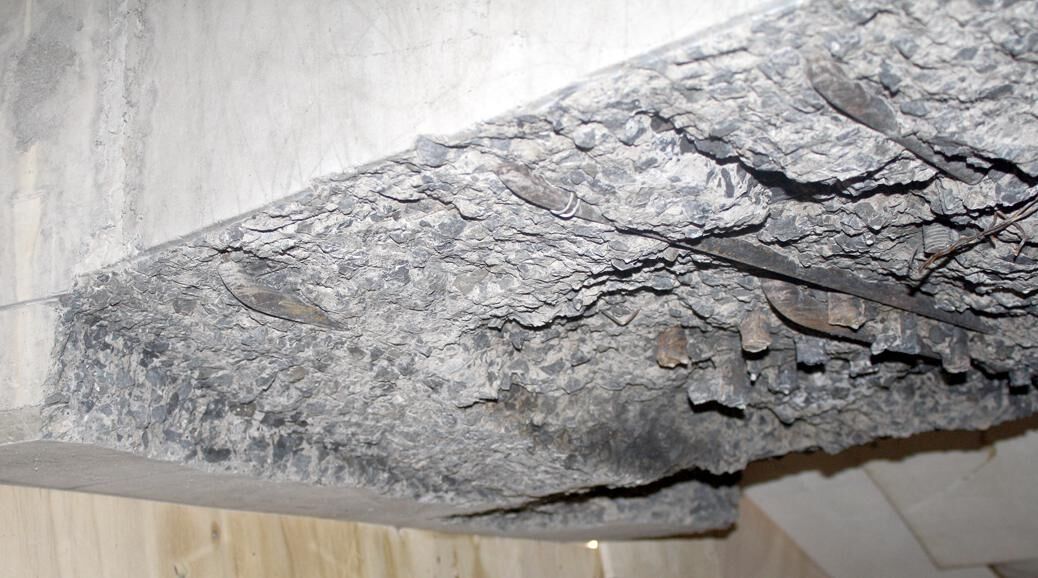
Remove sound or deteriorated concrete to a set depth and leave the reinforcement clean and in place.
Machine-controlled removal over large areas, with the operator out of the cutting zone.
Scabbling
Take the surface off a floor or deck at 4 litres a minute, without dust and without closing the building.
Concrete stripping and cleaning
Laitance, curing compound, grease and contamination off concrete before a coating or a topping goes on.
Aggregate exposure
Wash the paste back to a specified aggregate exposure for architectural finishes and bonding surfaces.
Stencilling and etching
Cut lettering, logos and line work into concrete with a masked jet.
Masonry cleaning
Carbon, paint and biological growth off brick, block and stone at a pressure the substrate survives.
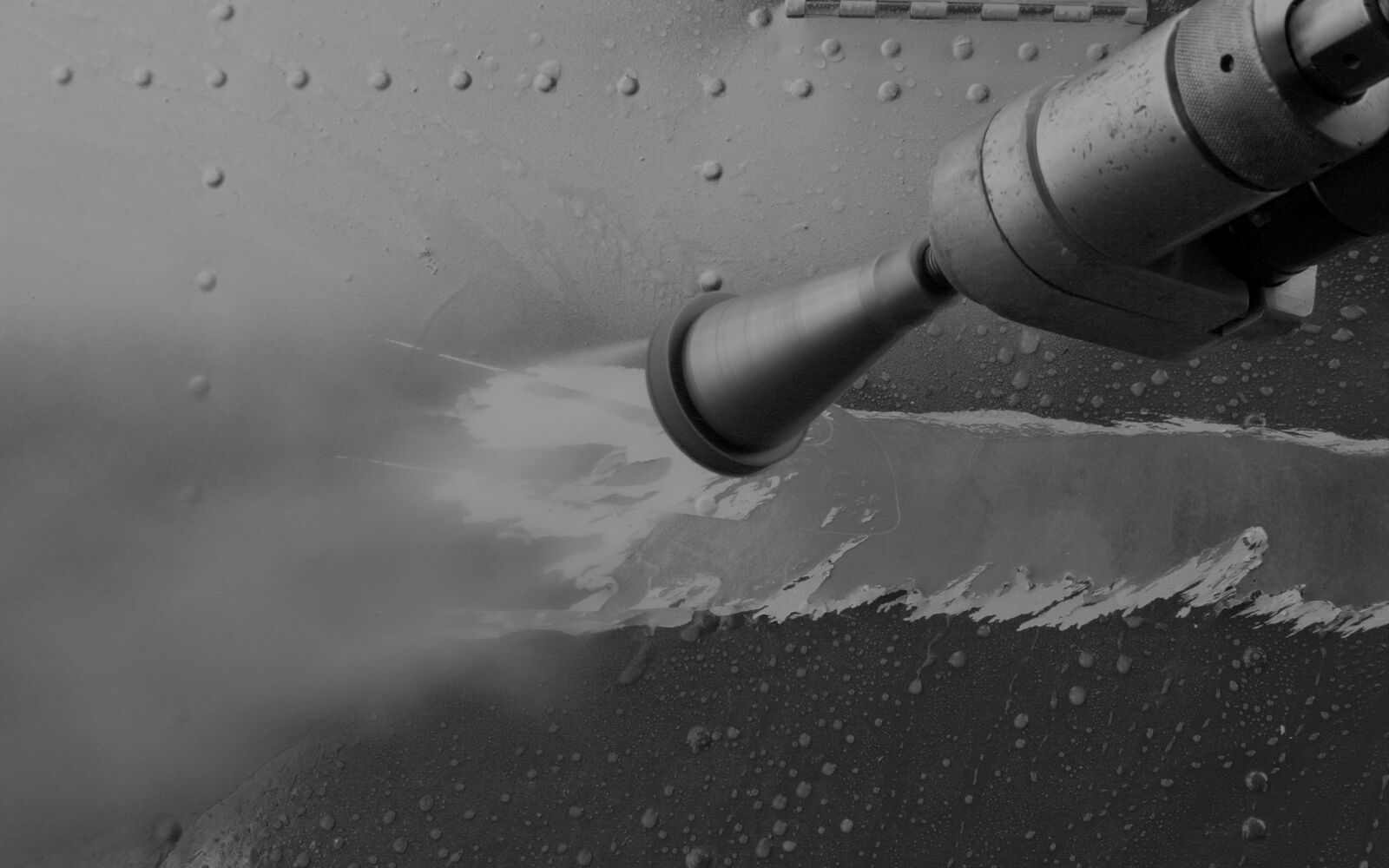
Strip coating and corrosion to bare steel at 40,000 psi without cutting into the parent metal.
Remove coating from airframes and components without chemical stripper and without touching the skin.
Marine deck blasting
Deck, hull and superstructure coating removal alongside or in dock, with the waste contained.
Wet abrasive blasting
Water-injected abrasive where a profile has to be cut, with a fraction of the dust of a dry blast.
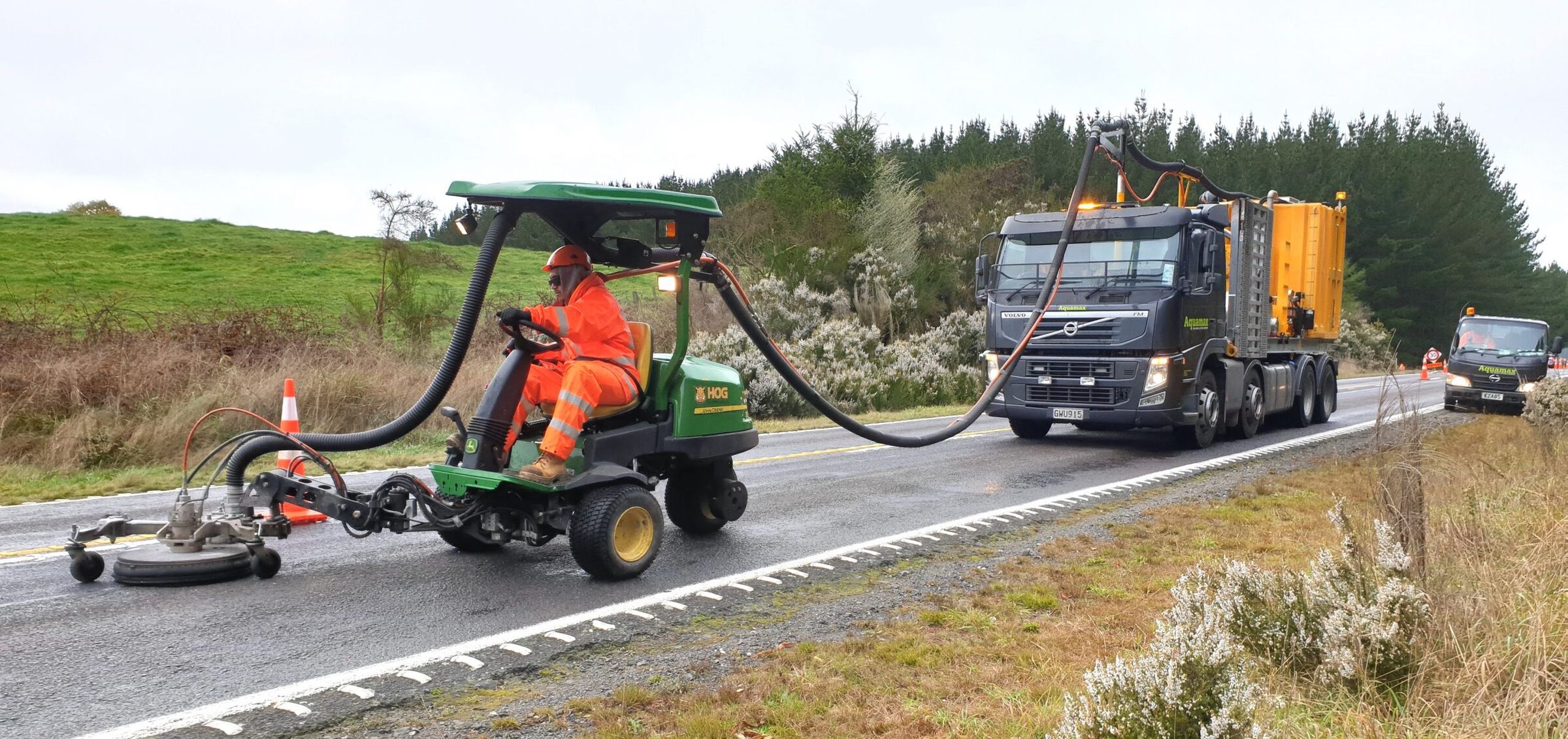
Take markings off the carriageway at 40,000 psi and leave a surface that will not ghost.
Truck-mounted marking removal and surface cleaning at road speed, with vacuum recovery on board.
Road surface preparation
Texture, clean or expose a pavement surface before a seal, a membrane or a remark.
Rubber off the touchdown zone to restore friction, without damaging grooving or the seal.
Paint spill removal
Spilt paint, bitumen and load spills lifted off the road surface without leaving a scar.
Bitumen flushing
Flushed bitumen removed at 40,000 psi to bring texture and skid resistance back.
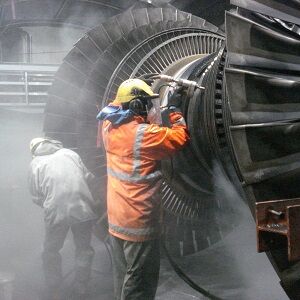
Plant and equipment cleaning
Process plant, conveyors, screens and mobile plant cleaned back to inspectable condition.
Product, sludge and scale out of tanks and vessels, with the confined space managed end to end.
Tube and pipe cleaning
Heat exchanger tubes, bundles and pipework cleared of scale, coke and blockage.
Nitrogen purging
Purge a vessel or line to a gas-free or inert state before entry or hot work.
Scale and deposit off turbine and generator components to recover output.
Waterblasting
General high-pressure cleaning where the surface has to come back without damage.
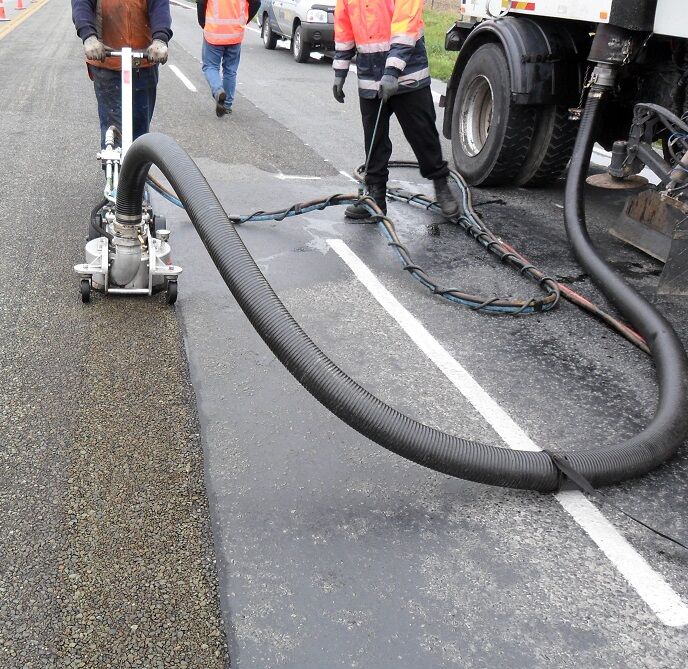
Excavate around live cables, gas, water and fibre with water and vacuum, with no risk of a strike.
Vacuum loading
Wet or dry material lifted and carted from pits, sumps, bunds and process plant.
Septic tank cleaning
Domestic and commercial tanks, Rotorua and Taupo.
Septic tank cleaning
Domestic and commercial septic tanks pumped out around Rotorua and Taupo.